Spinal conditions can affect far more than the neck or back. Pain, numbness, weakness, stiffness, and reduced mobility may interfere with work, exercise, sleep, and everyday activities. Identifying the source of these symptoms is an important step toward finding appropriate treatment and preventing the condition from becoming more limiting.
Jordi X. Kellogg, MD, is a board-certified neurosurgeon who has treated spinal disorders since 2001. At Kellogg Brain and Spine, he evaluates patients using advanced diagnostic methods and develops treatment plans based on their symptoms, spinal anatomy, and lifestyle needs. Patients from Oregon City and surrounding communities can receive care for a broad range of cervical and lumbar spine conditions.
Conditions That Can Affect the Spine
Spinal symptoms may develop suddenly after an injury or gradually due to aging, repetitive strain, arthritis, or changes within the spinal discs and joints. Some conditions remain localized to the neck or back, while others place pressure on nerves and cause symptoms that travel into the arms or legs.
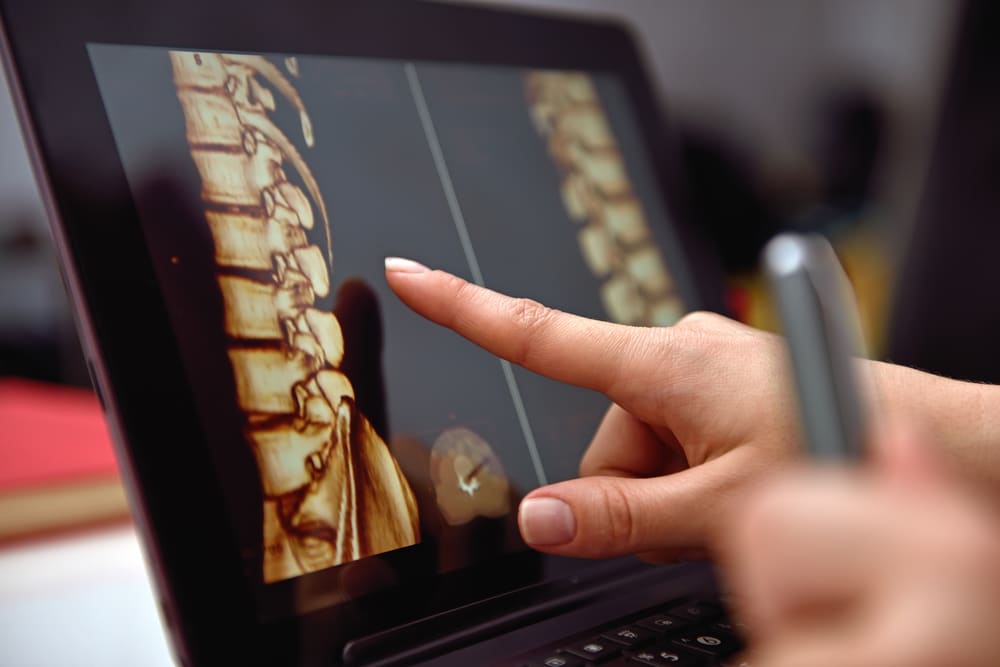
A detailed evaluation may include a physical examination, neurological testing, and diagnostic imaging. These findings help determine whether symptoms are caused by a spinal disc, nerve root, joint, vertebra, or spinal canal narrowing.
Back Pain
Back pain may result from muscle strain, disc degeneration, arthritis, spinal instability, injury, or nerve compression. Symptoms can range from a persistent ache to sharp pain that limits movement. Care focuses on identifying the underlying cause rather than treating pain as a condition on its own.
Cervical Radiculopathy
Cervical radiculopathy occurs when a nerve in the neck becomes irritated or compressed. It may cause neck pain that travels into the shoulder, arm, or hand, along with numbness, tingling, or weakness. Herniated discs, bone spurs, and age-related spinal changes are common causes.
Degenerative Disc Disease
Degenerative disc disease develops when spinal discs lose hydration, height, or flexibility over time. These changes can contribute to chronic neck or lower back pain and may place additional stress on nearby joints and nerves. Treatment depends on the location and severity of the disc changes.
Herniated Disc
A herniated disc occurs when material inside a spinal disc pushes through its outer layer. The displaced material may press against nearby nerves, leading to pain, numbness, tingling, or muscle weakness. Herniated discs can occur in either the cervical or lumbar spine.
Lumbar Radiculopathy
Lumbar radiculopathy involves irritation or compression of a nerve root in the lower back. Symptoms may extend through the buttock, thigh, leg, or foot and are sometimes described as sciatica. The location of the symptoms can help identify which lumbar nerve may be affected.
Spinal Stenosis
Spinal stenosis is a narrowing of the spinal canal or the openings through which spinal nerves travel. Depending on its location, it may cause neck or back pain, limb weakness, balance problems, or discomfort while standing and walking. Symptoms often develop gradually as the spine changes with age.
Spondylolisthesis
Spondylolisthesis occurs when one vertebra shifts forward in relation to the vertebra below it. This movement may contribute to lower back pain, hamstring tightness, nerve compression, or difficulty standing and walking. The condition can result from degeneration, a stress fracture, or a congenital spinal difference.
When To Seek a Spine Evaluation
A spine evaluation may be appropriate when symptoms persist, continue to worsen, or interfere with normal activities. Prompt medical attention is especially important when neck or back pain is accompanied by progressive weakness, loss of coordination, changes in bladder or bowel function, or difficulty walking.
Not every spinal condition requires surgery. Treatment recommendations may include activity changes, physical therapy, medication, injections, or surgical care based on the diagnosis and response to prior treatment.
Why Choose Dr. Jordi X. Kellogg for Spinal Conditions?
Dr. Jordi X. Kellogg is board-certified in neurological surgery and has treated spinal disorders for more than two decades. He completed his neurological surgery residency at Oregon Health Sciences University and a fellowship at the Dotter Interventional Institute. His advanced training supports the careful evaluation of conditions involving the spinal cord, vertebrae, discs, and nerve roots.
Dr. Kellogg maintains professional memberships in the American Association of Neurological Surgeons, Congress of Neurological Surgeons, and American Medical Association. He has presented at scientific and medical conferences in the United States and internationally and has contributed to peer-reviewed publications, abstracts, and a medical book chapter. His approach emphasizes accurate diagnosis, clear patient education, and treatment plans tailored to each individual’s condition and goals.
Find Care for Spinal Conditions Near Oregon City
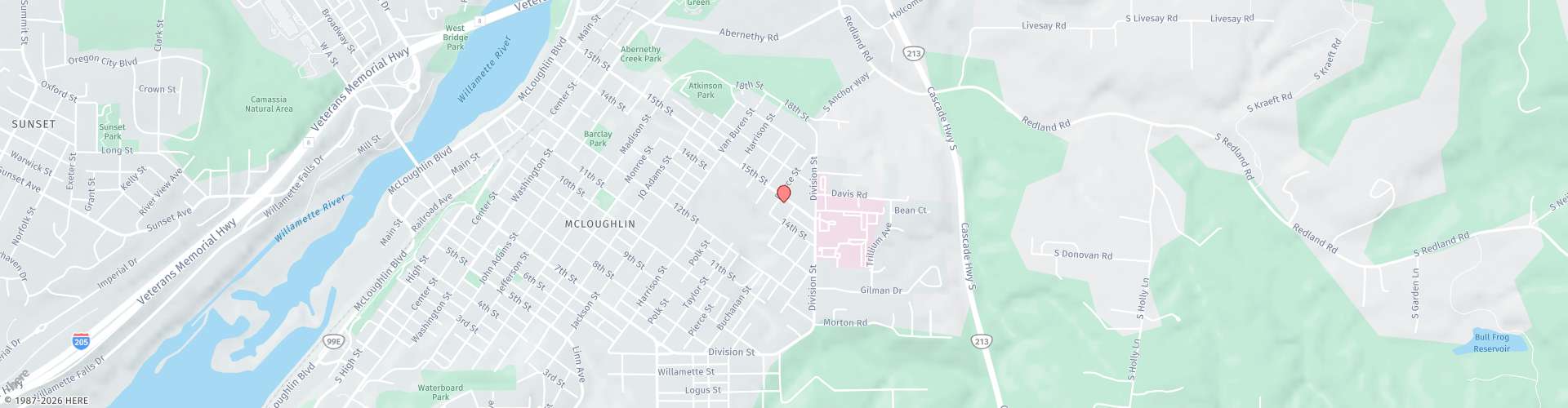
Persistent spinal symptoms do not have to control daily life. Kellogg Brain and Spine provides evaluations for patients from Oregon City, OR, experiencing neck pain, back pain, nerve symptoms, or reduced mobility. Schedule a consultation with Dr. Kellogg by calling 503.256.1462 to discuss your symptoms and available treatment options.